


Spring is amazingly vivid
at the moment – and the rain this week feels so very welcome because the plants are
really needing it.

I adore the winter but it
felt very long this year, especially with all the heavy snow we had here just
immediately before Easter, so I’ve really been drinking in all the colours of
Spring this year. In planning various
projects I’ve been out in the woods a lot, I’ve been really busy with the
Discovery Garden at Dunkirk Primary School and also very busy in my own
wildlife friendly garden.
I love making things
outside – whatever you make you also can’t help but be busy contemplating the
natural things around you and thereby noticing so much more than you would
inside. Being relatively still in
nature beings amazing discoveries and the spring is so rich in these. I was in a wonderful woodland making
patterns with sticks a few days ago and all of a sudden became aware of a
buzzard flying through the trees quite low within a few metres of me – it passed
close by and I stood so still as it passed.


Gardening for wildlife is a
joy all year round but the spring is especially magical as creatures and plants
awaken and emerge from winter slumbers…
the sight of small creatures such as the first bees, swallows, frogs,
ladybirds are heart-warming. The vivid
greens as buds and early leaves unfurl are so strong.

I love the early spring
flowers and the blossom on trees – and the flowers of trees such as ash, maple,
oak are such exquisite things which could also be overlooked. I’ve always been drawn to the small little
plants and flowers that live in woodland and hedgerows – and some of the
woodland flowers that are out at the moment are so stunning. They have the most intriguing names which
tell such stories – stitchwort, speedwell, wood sorrel, forget-me-not… their
names are a link to uses, remedies and stories we are in danger of losing touch
with.


Amidst the clutter of
collected objects I love to refer to for inspiration are several tattered
second hand books which I’ve found in charity shops and various other
places. Several old books I love to
use were also mine when I was a small child – including my worn and
well-thumbed copies of the Ladybird “What to Look For” seasonal series,
illustrated by the wonderful C.F. Tunnicliffe. “What to Look for in Spring” is so interesting to refer to as
I reflect on my discoveries amongst the woodlands and hedgerows at the moment.
In books like this, written
over 50 years ago, its really interesting – but also worrying – to note the
things that were once seen as common and yet sadly no longer are. It’s also fascinating to see how common names
for plants and birds have changed and how descriptive language has also greatly
changed.
I love these words
from “Nature Rambles” by Edward Step
(1930):
“…the great charm of the
spring, when it comes, is, to most of us, that the old favourite flowers for
which we have been watching come back to us one or two at a time, enabling us
to admire them fully and to make note of their structure and habitats. We know that most of these things have their
special times and haunts; and the knowledge should induce us to make our
projected ramble include the spots that are most likely to yield to us what we
wish to see. In finding what we
sought, we are almost sure to find in addition something that is new to us.”

“What to Look for in
Spring” says:
“Wild hyacinths (or
bluebells) are blue underfoot, looking like patches of reflected sky. By this time the nightingale should be
singing, and most of the migrant birds are here making their nests”.
There’s a beauty and poetry
(and a real quirkiness often) in the way older books describe things and I’m
really interested in how the books aimed at children are full of very intense
text.
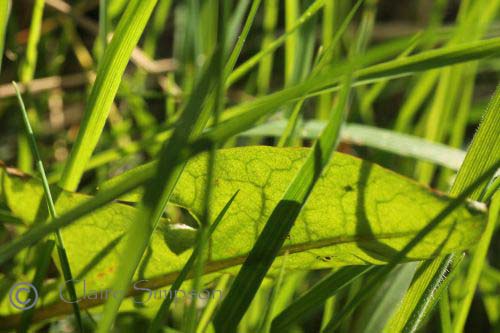
Spring (like all seasons)
has a real mix of weather conditions - which probably needs to be
embraced! I think being in the woods in
the rain in spring is quite a wonderful experience, there’s something soothing,
fresh and life-affirming about it. When
working with children outside it brings a different view-point to the weather
and the seasons; I’m inspired by the things children find a delight in. Jumping in puddles, collecting raindrops,
catching falling petals as snow, daisy-chains, gathering dandelions to study,
watching water-beetles… It often feels
such a real privilege to share journeys through the seasons with children and
sometimes it can be a totally different take on things to that shown by some
adults.

A week or so ago I was
stuck in traffic on my journey home – and I watched a woman pulling up
dandelions from her driveway and then applying weed killer to them. A day or so later I was in the Nature Garden
at Dunkirk primary with a group of children and we were discovering recent
changes there. One young boy was
completely intrigued by a couple of dandelions in flower – he didn’t know the
name of the plant but knew that it “makes you wet the bed” (its wonderful that this bit of plant-lore
passes down the generations). He also
hadn’t made the connection between the yellow dandelion flowers and the white
dandelion clocks – but because the abundance of dandelions means its fine to
pick some and pull them apart to discover their structure. He was fascinated by the base of the flower
petals and in puling apart a closed seed head he could see how the white seeds
were getting ready to emerge. It was
wonderful listening to him discover all this and make connections.
Dandelions have so any wonderful uses and a
brilliant name – taken from French and referring to the lions teeth like shape
in the leaves… They should be seen as a
vital part of any outdoor space for children.


We have a mud pie making
area set up permanently in the Discovery Garden at Dunkirk, all year groups
love to use this and I’ve noticed them learning and observing so much as they
make various potions and mixtures.
Young children there were fascinated in the winter when their mud pies
froze – and were explaining to me recently how they couldn’t make frozen pies
anymore because the weather was too warm.
I don’t think you can make true hands-on connections for yourself (which
are the best deep-seated learning experiences) without spending long periods of
time outdoors exploring like this. You
also need to have patches of land left so that dandelions can flourish, mud
pies can be left to freeze and mice can make little tunnels through the grass…


“the deepwood is vanished in
these islands – much, indeed had vanished before history began – but we are
still haunted by the idea of it. The
deepwood flourishes in our architecture, art and above all in our
literature. Unnumbered quests and
voyages have taken place through and over the deepwood, and fairy tales and
dream-plays have been staged in its glades and copses. Woods have always been a place of
inbetweenness, somewhere one might slip from one world to another, or from one
time to a former.”
The Wild Places, Robert Macfarlane

“The relationship between
humans and trees is one that is closer and more complicated than that between
us and inanimate objects…”
“Ancient Trees, Living Landscapes” by Richard
Muir

“Woods, like water, have
been surprised by motorways and the modern world, and have come to look like
the subconscious of the landscape. They
have become the guardians of our dreams of greenwood liberty, of our wildwood,
feral, childhood selves, of Richmal Crompton’s Just William and his
outlaws. They hold the merriness of
Merry England, of yew longbows, of Robin Hood and his outlaw band. But they are also repositories of the
ancient stories…”
Roger Deakin - ‘Wildwood’


